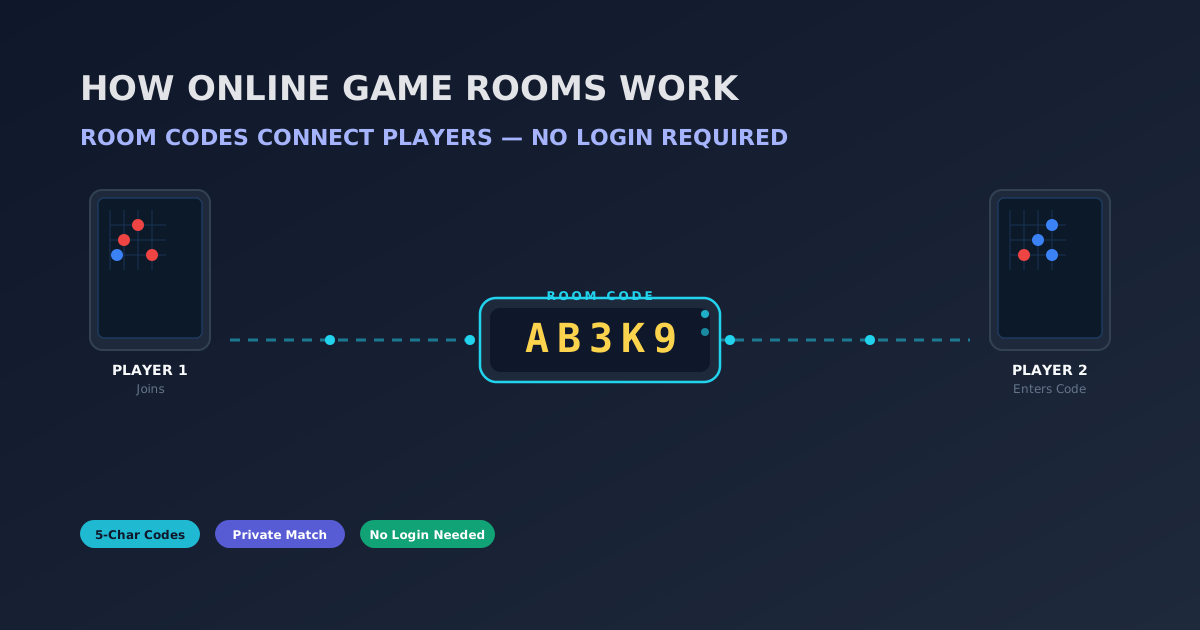
How Online Game Rooms Work: Room Codes Explained
How online game rooms and room codes work: create a private room, share the code, and play with friends instantly — no login required.
·FunAI Games Team
Strategy guides, opening theory, and tips to beat the AI
This blog is the written half of Fun AI Games: how the pieces move, why Easy feels different from Impossible, and which opening actually works on our boards. Posts are meant to send you back to a live game, not to sit as a standalone encyclopedia. We keep titles and URLs stable when a guide already ranks. New inventory is paced so the site does not grow a pile of thin listicles.
Guides are grouped by what you are trying to learn. Opening posts assume you already know the rules. Beat-the-AI posts assume Easy is beatable and you are climbing toward Medium or Impossible. How-to posts start from zero. Everything is free to read; ads may appear around the page, not during a move.
How online game rooms and room codes work: create a private room, share the code, and play with friends instantly — no login required.
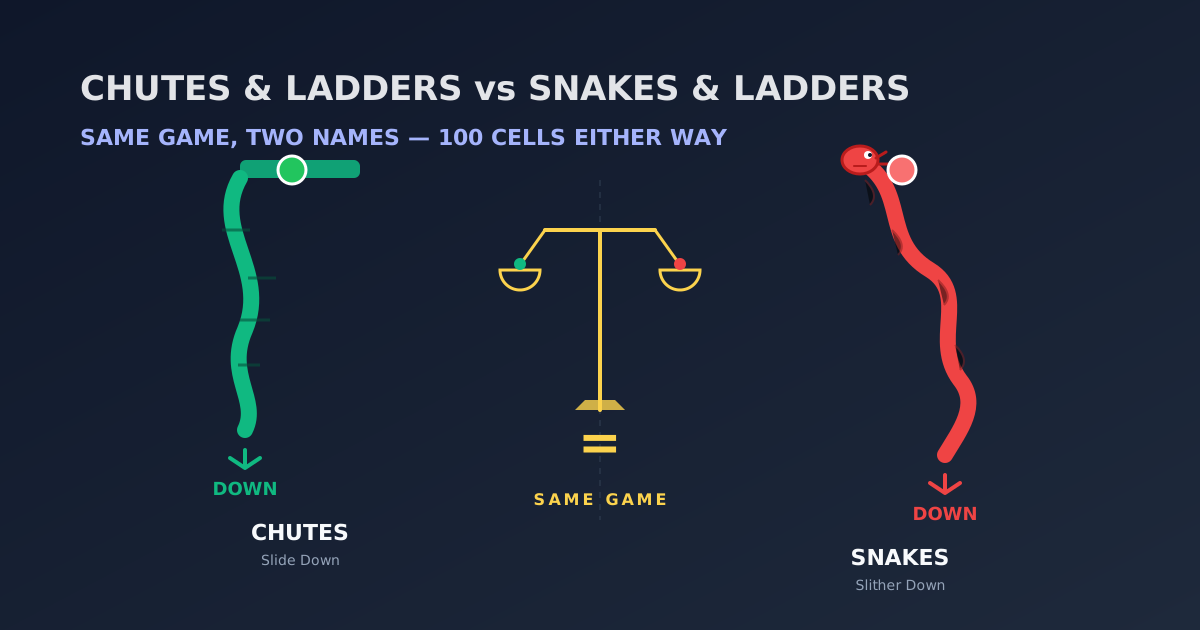
Chutes and Ladders vs Snakes and Ladders: the same game? Board differences, theme, and rule variations explained — plus which version you're playing online.
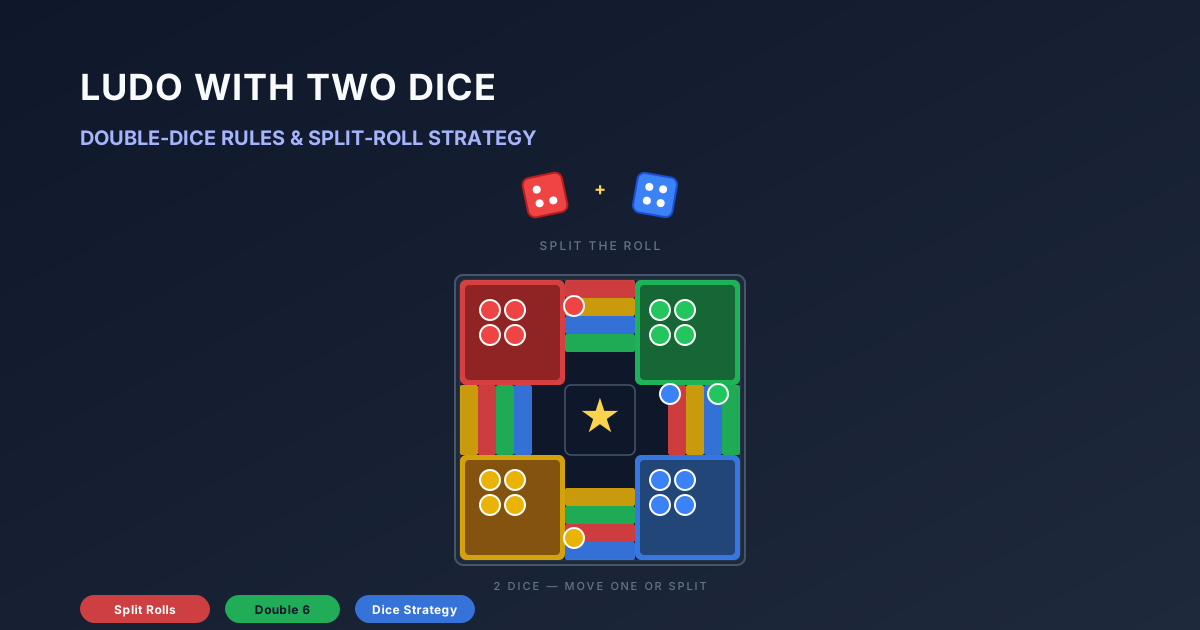
Ludo with two dice: how the double-dice variant changes rules and strategy. Move tokens, split moves, and win more with the two-dice system explained.
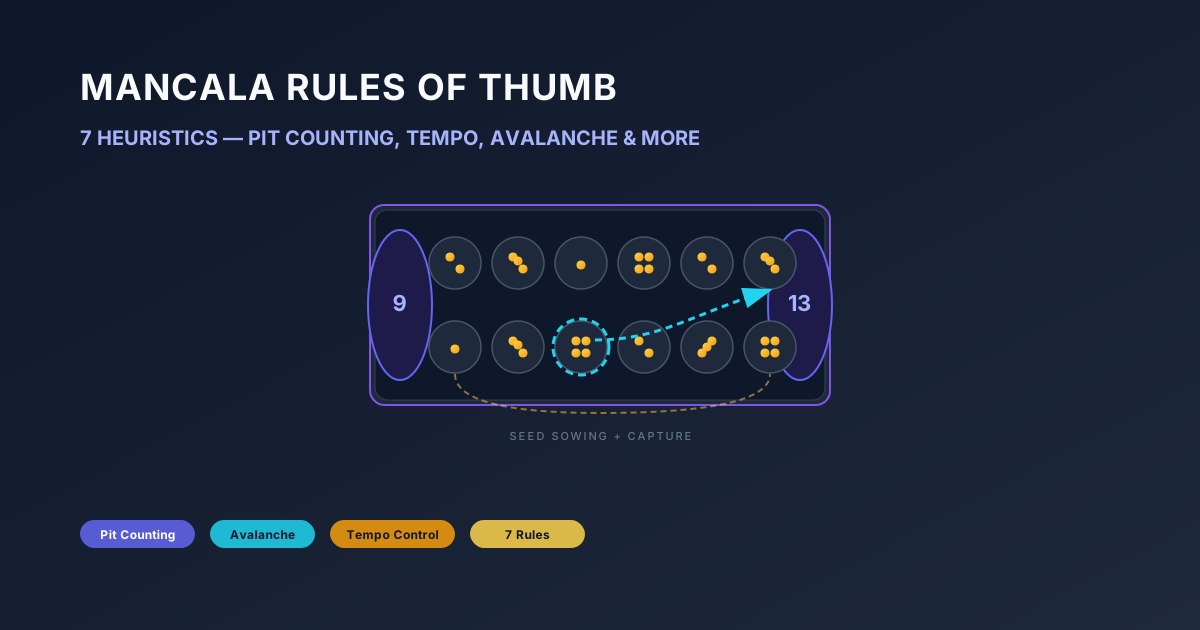
Mancala rules of thumb that instantly improve your game: the empty-pit capture, store access, tempo control. Simple heuristics you can apply on your next move.
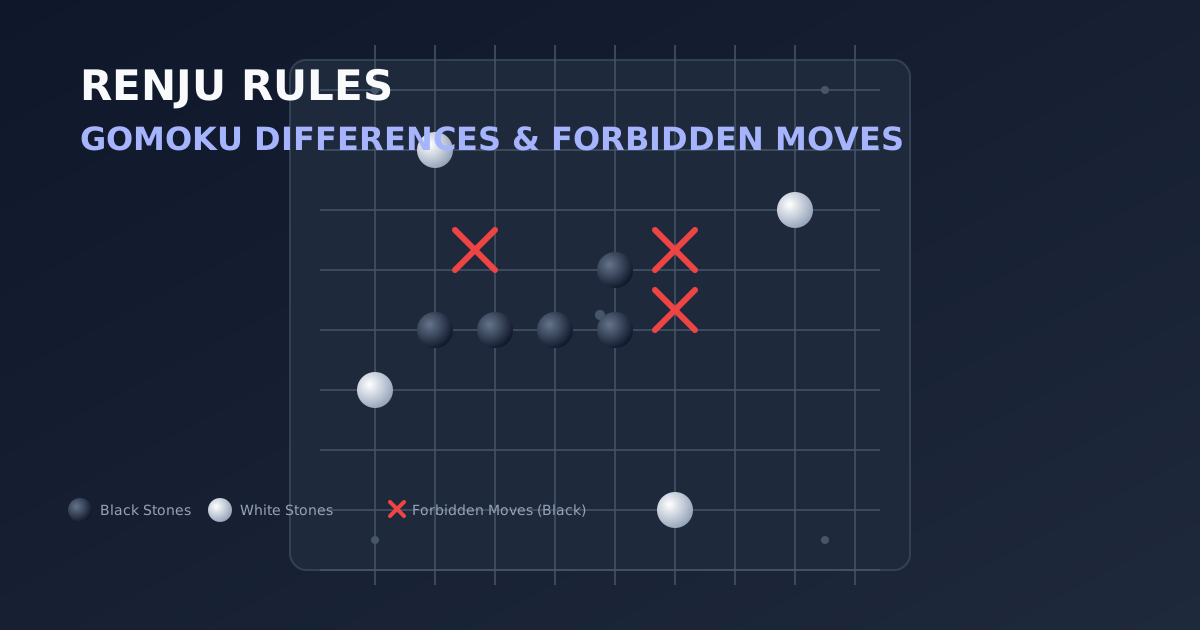
Renju rules explained: forbidden moves, overlines, and opening protocol that fix Gomoku's first-player advantage. See how Renju differs from Gomoku.